MADLESS – Meta-Analysis Driven Logistics Emission Solutions through Stakeholder Collaboration
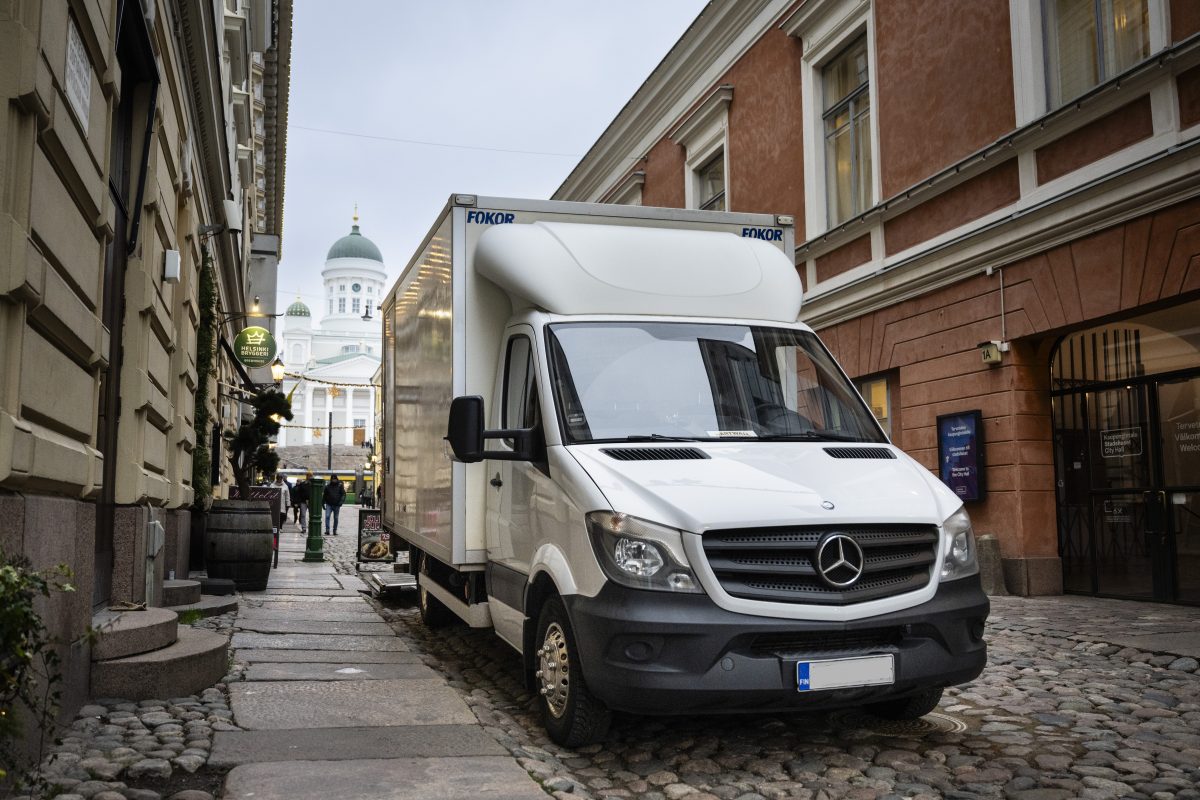
The purpose of the MADLESS project is to contribute to Helsinki’s climate goals by promoting emission reductions in logistics. Lorries and vans are projected to account for more than a quarter of all transport emissions in Helsinki in 2030, with lorries expected to become the largest source of transport emissions by 2040. At the same time, the electrification of vans has progressed much slower than that of passenger cars.
Through versatile research methods and collaboration with logistics sector operators and other key stakeholders, the project will identify the most appropriate logistics emission reduction schemes for Helsinki along with related bottlenecks and drivers. The project will also build and strengthen a network of stakeholders to motivate all parties to accelerate the transition to zero-emission urban logistics. The lessons learned in and results of the project will be shared with other cities.
The City of Helsinki is the main implementer of the project, with the party responsible in the City organisation being the Traffic and Street Planning Service. The project partner is the Tampere University’s Transport Research Centre Verne.
The MADLESS project is funded by the Enabling City Transformation programme, which is funding projects in a total of 48 cities. The programme is part of the NetZeroCities project, for which the European Commission has selected 112 European mission cities.


MADLESS project
Operating period
3/2025–9/2026
Persons responsible
Project Manager
Kaisa Juntunen
firstname.lastname@hel.fi
+358 9 310 513 40
University Instructor
Erika Kallionpää
firstname.lastname@tuni.fi
+358 40 849 0287
Funded by
EU Horizon NetZeroCities Enabling City Transformation programme
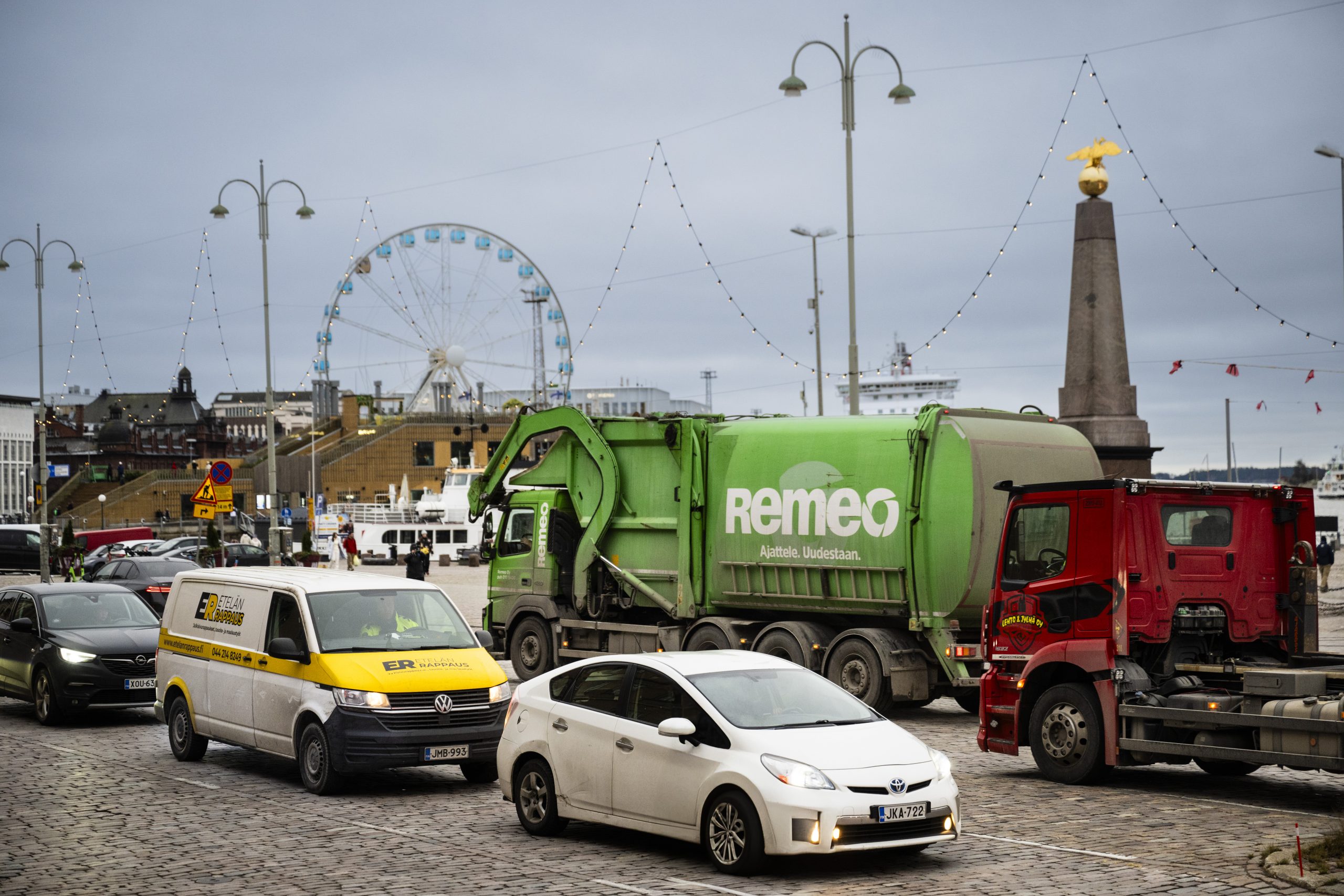
MADLESS project’s second workshop was 9.2.2026
The Second Development of City Logistics in Helsinki workshop was held on 9 February 2026. The workshop was again attended by a wide range of important stakeholders. The workshop assessed emission reduction measures and prioritised them in relation to each other. You can read a summary of the key results at the link below. Below is also a link to the summary of the workshop held in December
Summary of Key Results of workshops:
A master’s thesis carried out as part of the MADLESS project:
Dilnaz Zhumabayeva: Best Practices and Means to Develop Zero Emission City Logistics